

Powering a Smarter Future
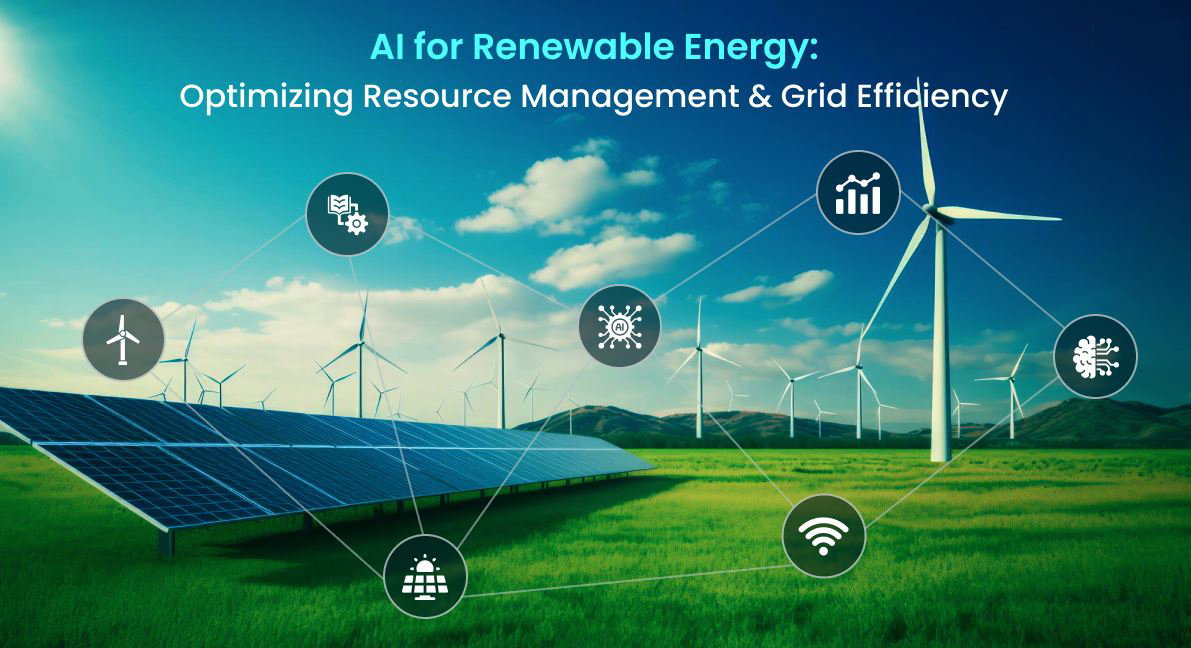
The global push toward renewable energy is accelerating as nations and industries seek sustainable solutions to combat climate change. Solar, wind, and other clean energy sources are now vital components of modern energy systems. Yet, integrating these resources efficiently into power grids remains a significant challenge. This is where artificial intelligence is stepping in as a transformative force, enabling smarter energy management and unlocking the full potential of renewables.
Why Renewable Energy Needs Intelligence
Unlike conventional power plants, renewable energy systems are inherently variable. Solar panels only generate electricity when the sun shines, and wind turbines depend on favorable weather conditions. This unpredictability creates fluctuations that can strain power grids and complicate supply and demand balancing.
Traditional forecasting methods and manual grid management cannot fully address these challenges. AI brings a new level of precision and adaptability by analyzing vast amounts of real-time data and making predictive adjustments to maintain stability. By leveraging machine learning algorithms, utilities can optimize energy distribution, predict equipment failures, and reduce operational costs.
AI Applications in Renewable Energy
Energy Forecasting
Accurate forecasting is essential for efficient grid operation. AI systems process historical data, weather patterns, and real-time inputs to predict energy generation with remarkable accuracy. For example, machine learning models can anticipate solar output hours in advance by analyzing cloud movements and atmospheric conditions, helping operators plan accordingly.
Smart Grid Optimization
AI-driven smart grids can dynamically balance electricity supply and demand. These systems adjust energy flows in real time, redirecting surplus power to storage systems or prioritizing delivery to high-demand areas. By doing so, they reduce waste, lower costs, and enhance reliability, even during periods of peak usage.
Predictive Maintenance
Equipment failures in renewable systems can lead to costly downtime. AI-enabled predictive maintenance uses sensor data to monitor turbine performance, inverter efficiency, and other critical metrics. Machine learning algorithms identify early signs of wear or malfunction, allowing technicians to intervene before problems escalate.
Energy Storage Management
Battery storage is crucial for renewable energy because it smooths out supply fluctuations. AI algorithms optimize when to charge or discharge energy storage systems based on demand forecasts and price signals. This ensures that stored energy is used efficiently, maximizing economic and operational benefits.
Benefits of AI Integration
The integration of AI into renewable energy systems delivers multiple advantages. It enhances efficiency by minimizing energy losses, reduces operational costs through predictive analytics, and supports grid stability by responding to real-time changes. Moreover, AI contributes to sustainability by ensuring that renewable sources operate at peak performance, reducing the need for backup fossil fuel generation.
Challenges and Ethical Considerations
Despite its promise, AI adoption in renewable energy faces challenges. The quality and availability of data play a critical role in system performance. Poor or incomplete data can compromise predictions and decision-making. Cybersecurity is another concern, as energy networks become increasingly connected and vulnerable to attacks. Additionally, transparency in AI decision-making remains an important issue, as regulators and stakeholders demand accountability in automated systems.
Looking Ahead
The future of renewable energy is inseparable from digital transformation. As AI technologies mature, their role in optimizing generation, storage, and distribution will expand. Combining AI with innovations such as edge computing and 5G connectivity will further enhance real-time responsiveness, enabling grids that are not only smart but truly autonomous.
At The Circuit Forge, we see artificial intelligence as a key enabler of a sustainable energy future. It bridges the gap between variability and reliability, making clean energy more practical, scalable, and economically viable. As global energy demands rise and environmental concerns grow, AI-driven solutions will shape how societies generate, distribute, and consume power.