

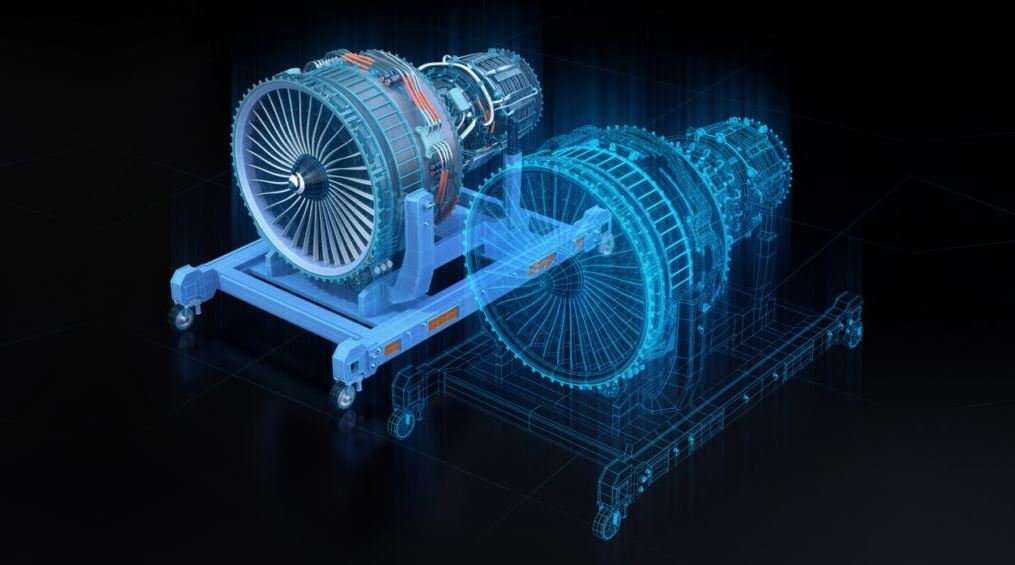
The concept of a digital twin may sound futuristic, but it is quickly becoming a critical tool in modern engineering. At its core, a digital twin is a virtual representation of a physical object, process, or system that is continuously updated with real-world data. This technology allows engineers and designers to analyze performance, predict outcomes, and optimize operations before making costly changes in the physical world.
What Is a Digital Twin?
A digital twin is more than a simple 3D model. It is a living, evolving simulation that mirrors the behavior and condition of its physical counterpart in real time. By combining sensors, IoT connectivity, and data analytics, digital twins provide an accurate picture of how a system operates under varying conditions. This continuous feedback loop makes it possible to anticipate issues, test solutions, and improve efficiency without disrupting operations.
How Digital Twins Work
The foundation of a digital twin is data. Sensors embedded in machines or infrastructure collect information about temperature, vibration, pressure, and other parameters. This data flows into advanced simulation models, where it is processed and analyzed. Artificial intelligence and machine learning algorithms then interpret patterns, predict failures, and suggest adjustments.
The ability to visualize and manipulate these digital models gives engineers unprecedented control over complex systems. They can simulate scenarios such as component wear, environmental changes, or demand fluctuations, all without risking downtime or damage to physical assets.
Applications Across Industries
Manufacturing
In modern factories, digital twins are transforming production lines. By modeling entire processes, companies can identify inefficiencies, reduce waste, and minimize maintenance costs. Predictive maintenance powered by digital twins ensures that equipment failures are addressed before they disrupt operations.
Energy
Power plants and renewable energy installations benefit from digital twins to optimize performance and extend asset life. For example, wind farm operators use these models to monitor turbine conditions, forecast energy output, and schedule maintenance during low-demand periods.
Healthcare
Medical technology is adopting digital twins to simulate human organs and systems. This enables personalized treatment plans and improves the accuracy of surgical procedures. It also aids in drug development by predicting how compounds will interact with biological systems.
Urban Development
Cities are beginning to use digital twins to plan infrastructure and manage resources. Virtual models of transportation networks and utilities help urban planners reduce congestion, improve energy distribution, and enhance public safety.
Benefits of Digital Twin Technology
The advantages of using digital twins are extensive. They reduce operational costs by preventing unplanned downtime, improve product quality through better design validation, and accelerate innovation by allowing rapid testing of new concepts. In addition, they support sustainability goals by optimizing energy use and reducing material waste.
Challenges and Future Outlook
Despite their potential, digital twins present challenges. Building and maintaining accurate models requires significant data and computational resources. Cybersecurity is also a major concern, as these systems rely on continuous connectivity. Protecting sensitive operational data from breaches is essential.
Looking ahead, the evolution of 5G, edge computing, and artificial intelligence will enhance the capabilities of digital twins. These technologies will make models more responsive, scalable, and cost-effective. In the long term, we can expect digital twins to become a standard tool across industries, shaping the way products are designed, built, and maintained.
At The Circuit Forge, we believe that digital twin technology represents a new era in engineering and innovation. It bridges the gap between physical and digital worlds, creating opportunities for efficiency and creativity that were once unimaginable. As this technology matures, it will redefine how we design, manage, and interact with the systems that power modern life.