

From Prototyping to Full-Scale Production
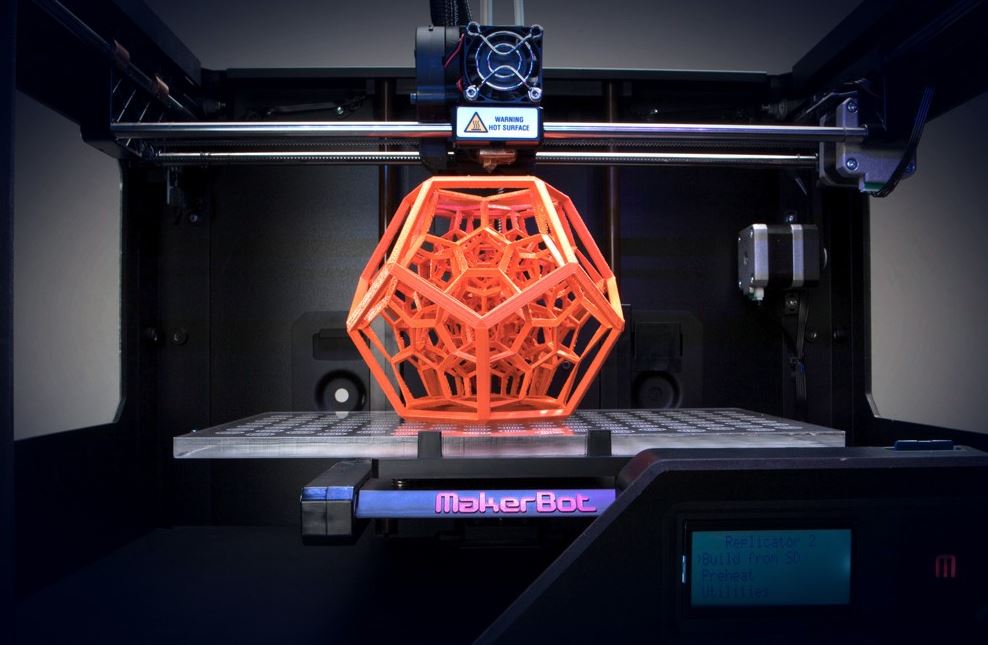
3D printing, once viewed as an experimental technology for hobbyists and designers, has transformed into a cornerstone of modern manufacturing. Over the past decade, this technology has advanced far beyond its early limitations, unlocking possibilities that span industries and redefine how products are conceived, produced, and delivered.
A Brief Look Back
The concept of 3D printing, or additive manufacturing, emerged in the 1980s with the development of stereolithography, a process that used ultraviolet light to solidify layers of resin. These early machines were slow, expensive, and limited to creating prototypes. While they were revolutionary for design validation, few imagined their potential to disrupt entire supply chains.
As the years progressed, new techniques such as fused deposition modeling and selective laser sintering expanded the range of printable materials. Costs began to decline, and accessibility improved, bringing 3D printing into the mainstream. Today, it is no longer a niche tool. It is an essential component of modern production strategies.
Why 3D Printing Matters
The traditional manufacturing process often involves high upfront costs for molds, tooling, and setup. This creates barriers for customization and makes small-batch production impractical. 3D printing removes these constraints. By building objects layer by layer from digital models, it enables on-demand manufacturing, rapid prototyping, and design freedom that traditional methods cannot match.
This flexibility has given businesses the ability to innovate quickly. Designers can create complex geometries without worrying about the limitations of conventional machining. Companies can produce functional prototypes in hours instead of weeks, accelerating time-to-market and reducing costs.
Applications Across Industries
Healthcare
3D printing is revolutionizing healthcare through personalized solutions. From patient-specific implants to custom prosthetics, additive manufacturing enables products that match the unique anatomy of each individual. Surgeons also use 3D-printed models to plan complex procedures, improving precision and outcomes.
Aerospace and Automotive
In industries where weight reduction and durability are critical, 3D printing offers significant advantages. Aircraft manufacturers use it to produce lightweight components that maintain strength while improving fuel efficiency. Automotive companies leverage the technology for rapid prototyping and the creation of complex parts that would be difficult or impossible to make using traditional methods.
Construction
The construction sector is exploring large-scale 3D printing to create building components and even entire structures. This approach has the potential to reduce labor costs, minimize material waste, and speed up project timelines, addressing challenges in housing and infrastructure development.
Consumer Products
From customized footwear to home décor, 3D printing empowers consumers to personalize products like never before. It also enables small businesses to compete with larger manufacturers by eliminating the need for large inventories and expensive production lines.
Challenges and Future Outlook
Despite its promise, 3D printing faces challenges. Print speed remains a barrier for mass production, and the cost of advanced materials can be prohibitive. Quality control is another concern, as ensuring consistency across multiple prints requires rigorous testing and calibration.
Looking ahead, innovations such as multi-material printing, improved metal additive processes, and the integration of artificial intelligence for real-time monitoring are expected to overcome these hurdles. As these technologies mature, 3D printing will move from a complementary tool to a primary manufacturing method for many industries.
The Bigger Picture
The evolution of 3D printing reflects a broader trend toward decentralization in manufacturing. Instead of relying on centralized factories, businesses can establish distributed production networks, reducing supply chain risks and environmental impact. This shift aligns with global efforts to create sustainable, resilient systems for the future.
At The Circuit Forge, we believe that 3D printing is not just changing how things are made. It is reshaping how we think about design, production, and innovation. The ability to turn ideas into tangible objects quickly and efficiently will fuel creativity across every sector. For engineers, makers, and visionaries, the question is no longer whether to adopt 3D printing, but how far it can take us.