

Transforming How We Learn
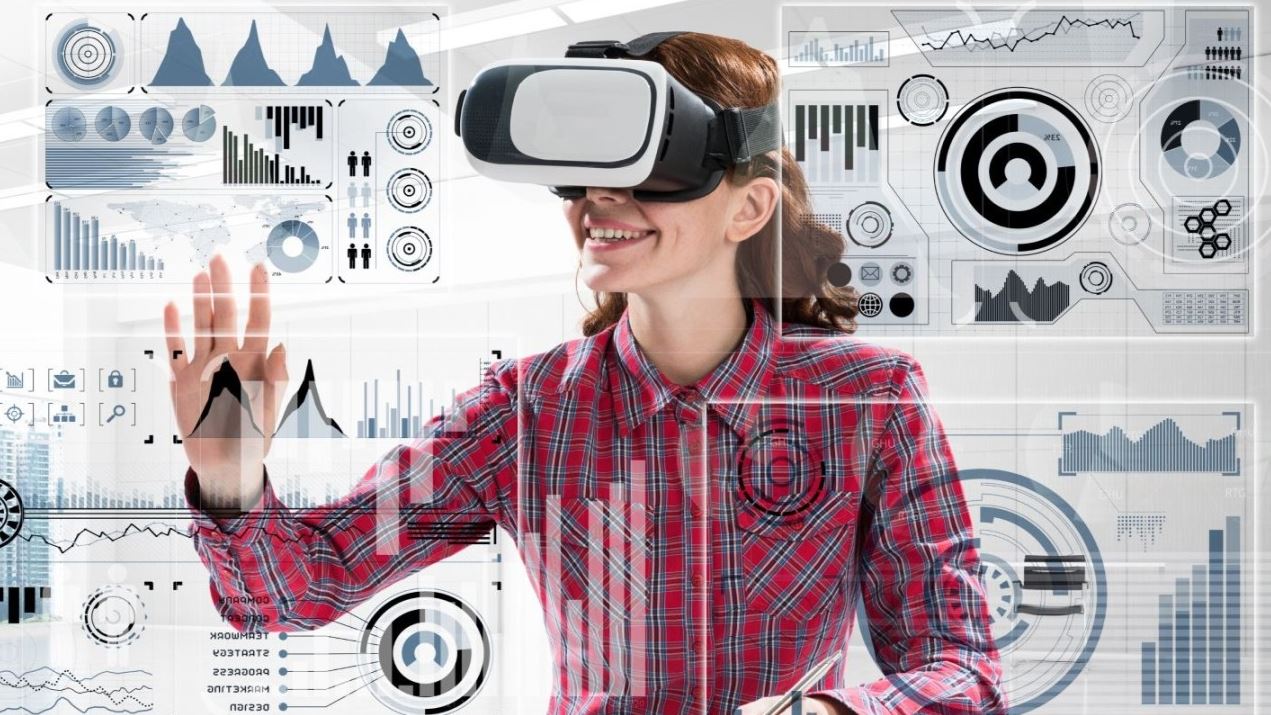
Education has always adapted to technological advancements, from the printing press to the digital revolution. Today, augmented reality is emerging as a powerful tool that is reshaping the learning experience. By blending digital elements with the physical world, AR provides interactive and immersive environments that go beyond the limitations of traditional classrooms. It is not just a trend; it is a transformative approach that is redefining how knowledge is delivered and absorbed.
What Is Augmented Reality in Education?
Augmented reality, or AR, overlays digital content onto real-world environments through devices such as smartphones, tablets, and AR headsets. Unlike virtual reality, which creates a fully simulated environment, AR enhances the existing world by adding interactive visuals, audio, and other sensory inputs. In education, this means turning static lessons into dynamic experiences where students can engage with concepts in real time.
Imagine a biology student pointing a tablet at a textbook image of the human heart and seeing it transform into a 3D model that beats and responds to interaction. This level of engagement brings abstract concepts to life and creates deeper understanding.
The Benefits of AR in Learning
Improved Engagement
Traditional teaching methods often struggle to maintain student attention, especially in complex subjects. AR introduces interactivity that keeps learners actively involved. Lessons become experiences rather than passive activities, leading to improved focus and retention.
Enhanced Understanding
Complex topics in science, mathematics, and engineering can be difficult to visualize. AR tools provide 3D models, simulations, and animations that allow students to explore and manipulate content from multiple perspectives. This hands-on approach makes abstract ideas tangible.
Personalized Learning
Every student learns at a different pace. AR applications can adapt to individual needs, offering customized exercises and feedback. This flexibility creates an inclusive environment where learners of all abilities can thrive.
Bridging Distance
Remote and hybrid learning have become essential in recent years. AR enables virtual field trips, collaborative projects, and interactive lessons that connect students from different locations without sacrificing engagement.
Examples of AR in Action
-
Medical Training: AR applications allow students to practice surgical procedures on virtual patients, reducing the risk associated with real-world training.
-
History Classes: Historical events and landmarks can be brought to life through AR, giving students an immersive experience of the past.
-
STEM Education: Engineering students can build and test digital prototypes before working with physical components, saving time and resources.
Challenges of Implementing AR in Education
Despite its potential, AR adoption in education faces hurdles. High-quality AR experiences often require advanced hardware, which can be expensive for schools with limited budgets. Content development is another challenge, as creating accurate and engaging AR materials demands specialized skills and resources. Additionally, teachers need training to integrate AR effectively into their curricula.
Privacy and data security are important concerns as well, especially when AR applications track user behavior and collect sensitive information. Educational institutions must establish policies and safeguards to protect student data.
The Future of AR in Learning
The future of AR in education looks promising. Advances in mobile technology and cloud computing are making AR more accessible and affordable. As content libraries grow and development tools become user-friendly, educators will have greater flexibility to incorporate AR into lesson plans.
Artificial intelligence will enhance AR systems by enabling real-time feedback, adaptive learning paths, and predictive analytics that help educators understand student progress. Combined with 5G connectivity, AR could deliver seamless, high-quality experiences in classrooms and homes alike.
At The Circuit Forge, we see augmented reality as more than a teaching tool. It is a catalyst for a new era of education where curiosity is encouraged, creativity is celebrated, and knowledge becomes an experience rather than an obligation. By embracing AR, educators and learners alike can unlock a world of possibilities that was unimaginable just a decade ago.